Adapting Solar Technology: Types of Photovoltaic Panel Installations to Suit Site Layouts and Energy Objectives
The successful implementation of a photovoltaic (PV) system depends not only on the quality of the panels and components but also on the solar power installation method that best matches the site’s physical layout and the user’s energy goals. With the growing adoption of solar energy across diverse environments, PV systems have evolved into various installation types designed to maximize energy production, spatial efficiency, and architectural integration. The three most common installation types—roof-mounted systems, ground-mounted systems, and solar carports—each offer distinct advantages and are selected based on factors such as available space, sunlight exposure, structural constraints, and energy demand.
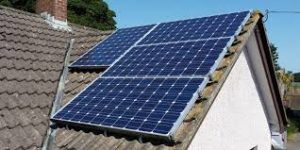
Roof-mounted PV installations are among the most popular choices, particularly for residential and commercial buildings with sufficient rooftop surface area and unobstructed access to sunlight. These systems are affixed directly to existing roof structures, offering a cost-effective and space-saving solution without the need for additional land use. They are ideal for urban or densely populated areas where ground space is limited. However, the angle, orientation, and condition of the roof must be carefully assessed to ensure optimal energy capture and structural integrity.
In contrast, ground-mounted PV systems are installed at ground level using support structures that can be fixed or adjustable. These installations are highly suitable for properties with ample open land and allow greater flexibility in panel orientation and tilt angle to maximize solar exposure throughout the year. Ground-mounted systems often achieve higher efficiency due to better ventilation and less shading, and they are easier to maintain and expand. They are commonly used in utility-scale projects or on rural properties where land availability is not a limiting factor.
Solar carports and canopies represent a hybrid solution that combines functionality with energy production. These systems are installed above parking areas, providing shelter for vehicles while simultaneously generating electricity. This dual-use approach is particularly attractive for commercial properties, educational institutions, and municipal facilities seeking to utilize existing infrastructure without sacrificing usable ground space. Carports can also serve as a visible demonstration of a commitment to sustainability, contributing to public awareness and corporate social responsibility.
Ultimately, the choice of PV panel installation type should align with the site’s physical characteristics and the user’s specific energy needs, budget, and long-term sustainability goals. By selecting the most appropriate installation method, property owners can optimize energy output, minimize environmental impact, and enhance the overall return on investment of their solar energy systems.
0